Hard Times
"Now, this schoolroom is a Nation. And in this nation, there are fifty millions of money. Isn’t this a prosperous nation?"
‘What did you say?’ asked Louisa.
‘Miss Louisa, I said I didn’t know. I thought I couldn’t know whether it was a prosperous nation or not, and whether I was in a thriving state or not, unless I knew who had got the money, and whether any of it was mine."
Hard Times | Project Gutenberg
A K‑Shaped Pattern at the Pump
"Low-income households increased their nominal gas spending by the least...they cut their real gas consumption the most. On the other hand, high-income households increased theirs by the most in a large part because they reduced their real gas consumption the least"
No surprises here; but low-income here basically means "Rich enough to consider a car a necessity." I wonder how people below that threshold did.
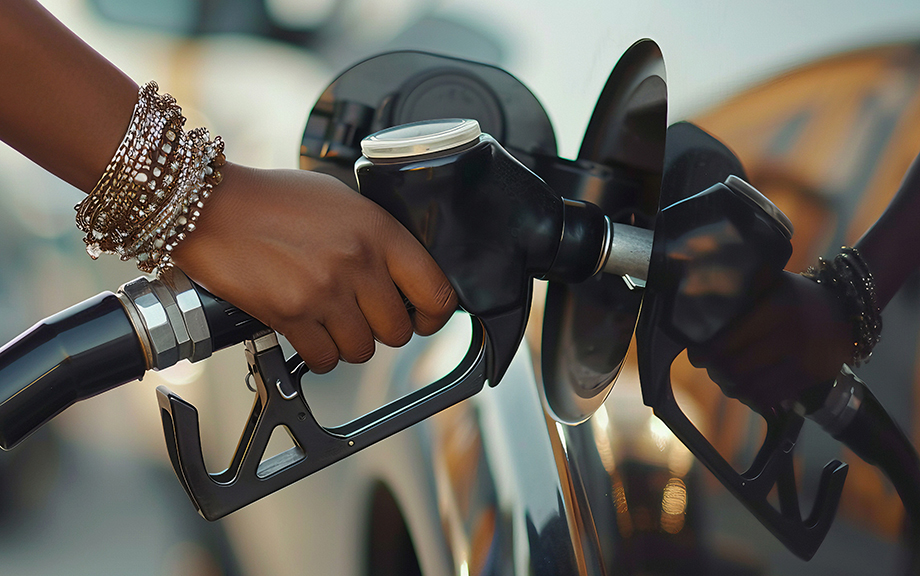
Same Shock, Different Roads? A K-Shaped Pattern at the Pump - Liberty Street Economics
Economist: Our Big Mac index carries an Asian warning
"In India, McDonald’s does not serve beef burgers. But its Maharaja Mac, featuring a double chicken patty fortified with jalapeños and habanero sauce, is only $2.51. That suggests the rupee lacks the burger’s sizzle."
Modern Monetary Theory enthusiasts are always quick to point out the disconnect between taxation and spending, but they never seem too interested in pointing out the connection between spending and inflation.
The housing crisis is pushing Gen Z into crypto and economic nihilism
"Reduced work effort, increased leisure spending and investment in risky financial assets (including crypto) are all disproportionately common among young adults who face little to no realistic prospect of being able to afford a house."
Companies like Disney increasingly catering to the rich
"That middle class has so eroded in size and in purchasing power — and the wealth of our top earners has so exploded — that America’s most important market today is its affluent. As more companies tailor their offerings to the top, the experiences we once shared are increasingly differentiated by how much we have."
The Labor Demand Shocks of Artificial Intelligence
"The easy answer is that it will increase the demand for labor, in much the same way as the wheel, the steam loom, the automobile and the computer. That is, in a very nuanced way.
Technology doesn’t replace jobs; it replaces tasks. Almost always, the tasks replaced are the most mundane, routine and trainable ones. In so doing, the technology makes the uniquely human part of the job more valuable."

"Make no mistake, American migration is being driven by the quest for nice places to live. Families are willing to pay more to live in places with good schools, parks, safe streets, and expensive housing. Indiana should be able to succeed in this environment. Right now, most of the state isn’t."